New research suggests that the state of your oral health may be a significant indicator of your risk for pancreatic cancer. A study conducted by the NYU School of Medicine indicates that harmful bacteria and fungi residing in the mouth could triple the risk of developing this deadly disease.
The Core Discovery
Researchers have long suspected a link between poor oral hygiene and systemic diseases, but this study provides specific evidence regarding pancreatic cancer. The theory is that harmful microbes originating in the mouth can travel via saliva to the pancreas, potentially triggering disease.
Key findings include:
- Threefold Risk: The presence of specific harmful microbes increased the risk of developing pancreatic cancer by more than 3x.
- Fungal Connection: For the first time, a yeast called Candida—common on the skin and body—has been linked to pancreatic cancer development.
- Bacterial Triggers: Three specific bacterial species, already known to cause periodontal (gum) disease, were linked to the cancer.
“It is clearer than ever that brushing and flossing your teeth may not only help prevent periodontal disease but may also protect against cancer.” — Dr. Richard Hayes, Study Co-author, NYU School of Medicine
Study Methodology
Published in JAMA Oncology, this was the largest study of its kind. It tracked 900 American participants to analyze how lifestyle factors and medical history influence cancer development.
- Sampling: Participants provided saliva samples and rinsed with mouthwash at the start of the study.
- Timeline: Researchers followed the group for approximately nine years.
- Comparison: They compared the DNA of oral bacteria and fungi from 445 pancreatic cancer patients against 445 cancer-free participants.
- Controls: The study accounted for confounding variables such as age, smoking history, and race to ensure accuracy.
Implications for Screening and prognosis
While the researchers emphasize that these findings show a correlation rather than a direct cause-and-effect, the results could revolutionize early detection.
Professor Jiyoung Ahn, a co-author of the study, notes that by profiling the oral microbiome, oncologists might eventually develop tools to flag patients who need urgent screening. Future research will explore if oral viruses contribute to the disease and how the microbiome affects patient survival rates.
Pancreatic Cancer: The Growing Threat
Pancreatic cancer is often called the “silent killer” because symptoms rarely appear until the disease is advanced.
Current Statistics & Trends:
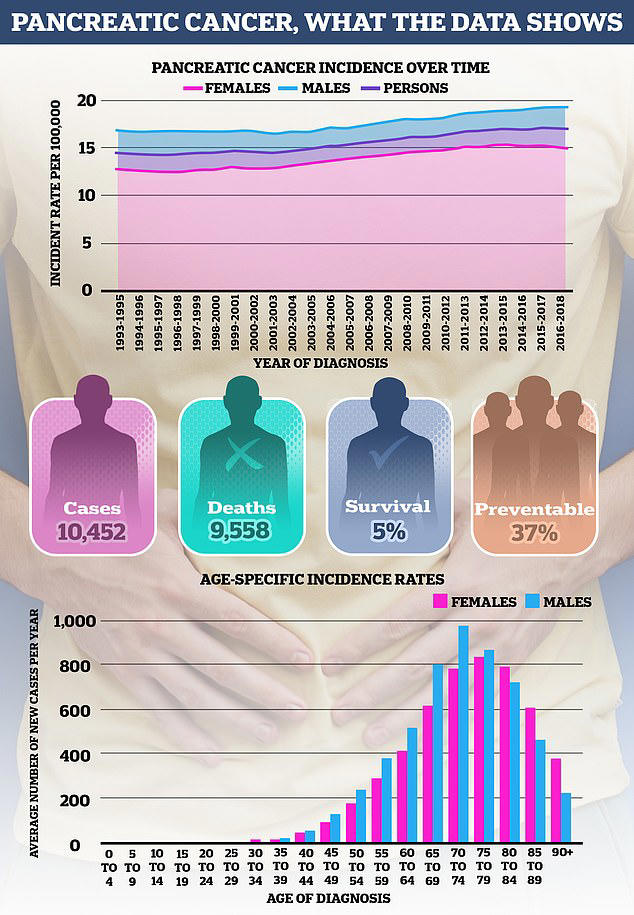
- Mortality: The disease claims just over 10,000 lives annually in the UK (approx. one death every hour).
- Projected Rise: By 2040, diagnoses are expected to hit a record high of 201,000 cases.
- Survival Rates:
- If caught early (localized): ~50% survive at least one year.
- If spread (metastasized): Only 1 in 10 survive.
Concerning Trend in Young Women: While the disease typically affects those over 75, incidences are rising in younger demographics.
- Data indicates a 200% increase in pancreatic cancer rates among women under 25 since the 1990s.
- Overall incidence in Britain has risen by 17%, potentially driven by obesity and environmental factors.
Symptoms and Risk Factors
Because early detection is vital, being aware of the subtle warning signs is critical.
Potential Symptoms:
- Jaundice: Yellowing of the skin and whites of the eyes.
- Digestive issues: Loss of appetite, bloating, constipation, or unintended weight loss.
- Skin/Urine changes: Itchy skin and darker urine.
Established Risk Factors:
- Smoking: Responsible for an estimated 22% of cases (and also increases gum disease risk).
- Obesity: Linked to 12% of cases.
Note: If you have experienced these symptoms for over four weeks, it is recommended to consult a GP.